
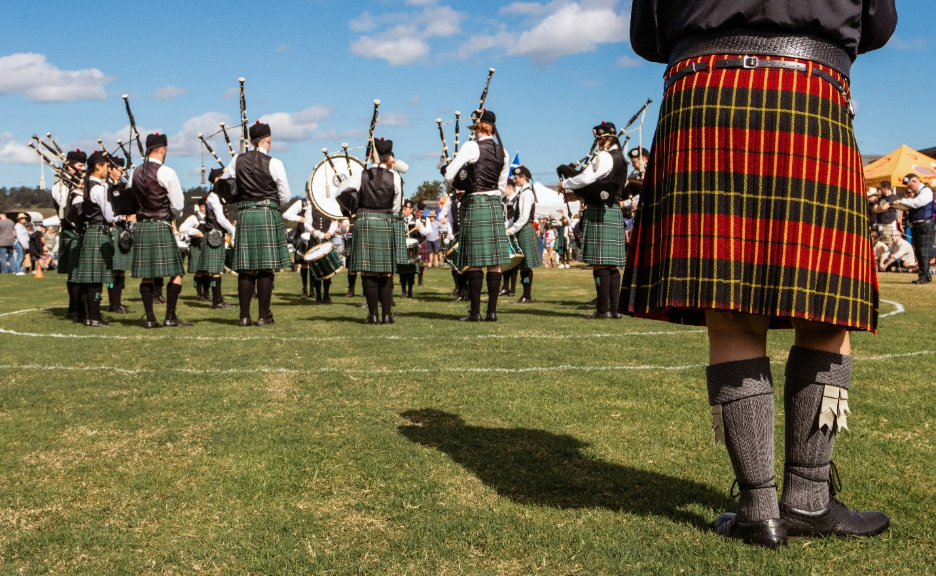
Photo by Sandie Peters on Unsplash
Many of us have Scottish roots, but not everyone in Scotland belonged to a clan. Identifying your clan ancestors is possible, but requires research using both historical records and DNA.
What Were Scottish Clans?
The Scottish clan system was the way of life for many Scots until the Battle of Culloden in 1746, when many of the prominent clans joined the Jacobite Uprising and were defeated. Clans were organized by territory. Different chiefs held power in different regions, and residents of those regions were considered members of the chief’s clan, even if they were not related to him.
Because the clan system was based on territory, where your ancestors lived mattered much more than their last name. This means it was also subject to change. As different chiefs gained power and territory changed hands, residents of a particular village or area often found themselves as part of a new clan.

The clan system was most prevalent in the Highlands and Islands of Scotland (roughly the northern half of the country). When surnames became commonly adopted in this region in the fifteenth and sixteenth centuries, many, but not all, clan members took the surname of their chief.
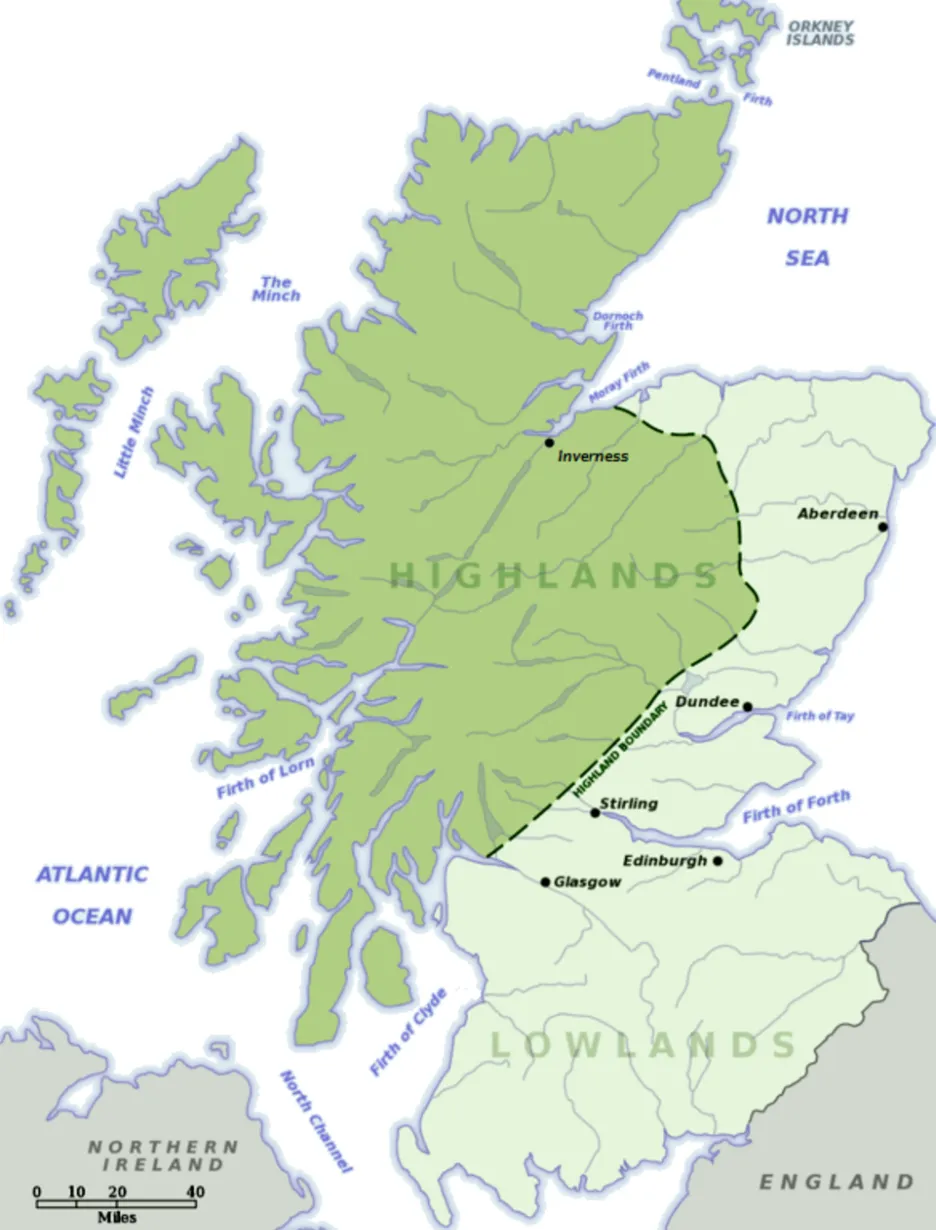 Map of Scotland. Image courtesy of Wikimedia Commons.
While the Lowlands region of Scotland also has a rich history, the clan system was less prevalent there. If your ancestors came from the Scottish Lowlands, they are less likely to have been part of a clan.
Can DNA Help Identify a Scottish Clan Connection?
DNA can help with identifying a Scottish clan connection, although it can’t directly assign you to a specific clan. Ethnicity estimates, Scottish DNA matches, and Y-DNA testing can all provide clues to help you trace your Scottish ancestors.
- Ethnicity estimates: Most DNA testing sites provide you an ethnicity estimate that can help identify Scottish DNA. Some sites will be able to assign a more specific region within Scotland that your ancestors likely came from. If you are assigned a region in the Highlands or Islands of northern Scotland, that can be an important clue that your ancestors were likely part of a Scottish clan.
- DNA matches: DNA matches with Scottish ancestry can also provide helpful information. Your matches may know more about their Scottish ancestry and have trees that include specific Scottish ancestors. If you are related through those ancestors, information from their profiles could help you extend your own Scottish lineage. However, be warned that not all of these trees will be well researched or reliable. You should validate their findings with your own research.
- Y-DNA testing: Y-DNA is a specific type of DNA that traces your direct paternal line. Several families of clan chiefs have performed Y-DNA testing, including the Stewarts and multiple branches of the Campbells. If you or one of your close relatives carries the same surname as one of those chiefs, Y-DNA testing could tell you if your ancestors belonged to that same family.
It’s important to remember that DNA provides clues, not proof, of your ancestors’ membership in a Scottish clan. Records research provides the other piece of the puzzle to help trace your specific ancestors.
Using Records to Trace Scottish Clan Connections
There is no replacement for tracing your specific Scottish family line using records. These will help you identify your specific ancestors and the places where they lived—both important for determining if they may have been part of a Scottish clan.
A variety of different types of written records for individual Scottish ancestors exist, dating back to 1513. This is important because the clan system was largely out of use after the 1700s, so identifying your ancestors who may have been part of a Scottish clan usually requires tracing your family back to that point.
Parish records, census records, and property records can all be used to trace your specific Scottish ancestors.
Record Type | Includes | Important Notes |
Parish | Baptisms, Marriages, Burials | Baptism and marriage records can include parents’ names and occupations. |
Census | Records location and ages of a specific household during a census year | Census records can include ages, birthplaces, occupations, and relationships between family members. |
Property | Property sales and transfers | These are some of the oldest records maintained by the Scottish government. |
Images of these records are available on Scotland’s People, a website managed by the Scottish government. For more information on Scottish records research and using Scotland’s People to research your Scottish ancestors, check out our blog post.
Common Myths About Scottish Clans
Myth #1: Everyone in Scotland was part of a clan.
This simply isn’t the case. The clan system operated during a specific time period in Scotland’s history and was largely practiced in the northern half of the country (the Highlands and Islands). If your ancestors lived outside of that region, it is much less likely that they were members of a clan.
Myth #2: If I have a clan surname, I belong to that clan.
While many clan societies today operate like surname groups, that wasn’t how clans functioned historically. Geography was the defining feature of a clan, rather than surname. Some members of the clan didn’t share the chief’s surname, while there usually would have been many individuals throughout Scotland who had the same surname as the chief but were not members of his clan.
Myth #3: Everyone in the clan was related to each other.
The clan system was based on territory rather than biology. Individuals who lived in the territory of a certain chief were considered part of his clan and sometimes adopted his surname; however, the majority of these people were not his blood relatives. They might consider other members of the clan their “kin,” but that relationship would have been more like a kind of adoption, rather than a biological relationship.
Discovering Your Scottish Clan Ancestry
Discovering your Scottish roots is possible, including whether your ancestors were part of a clan. However, uncovering your connection to a specific clan requires deeper research to identify specific ancestors and their geographical origins within Scotland. Both DNA and records research are valuable in identifying these ancestors and tracing your Scottish lineage.
Tracing your Scottish roots through centuries of history is an incredible journey—but you don’t have to do it alone! If you hit a brick wall or want expert guidance finding your clan, the team at Legacy Tree is ready to help. Reach out to us today, and let’s discover your story together!
Very interesting information. Thank you for sharing
Great article! I am an admin for the FamilyTreeDNA-hosted MacLeod Y-DNA project and your article is spot on!
Thanks for taking the time to read!
Yes would love to know if I am related to Rob Roy
My family names where my mothers mother Matilda miller McGregor,
and my grandfather was James Campbell
Hi Barbara, someone from our team will reach out to see how we can assist in search.
I am interested in having a professional assist in researching my heritage. The family (Milne) emigrated from central east coast Scotland around 1900. Can you give me some idea as to the time and ball park cost of such an endeavour?
Douglas Milne
Hi Douglas, thank you for reaching out! We would be happy to help you research your Milne family and their roots in Scotland. The time and cost can vary depending on your research goals, what is already known about the family, and the records available. Our team can review what you’re hoping to discover and recommend a project that best fits your goals and budget. Please feel free to contact us through our website to schedule a consultation, and we can discuss the next steps with you. We’d love to learn more about your family!